
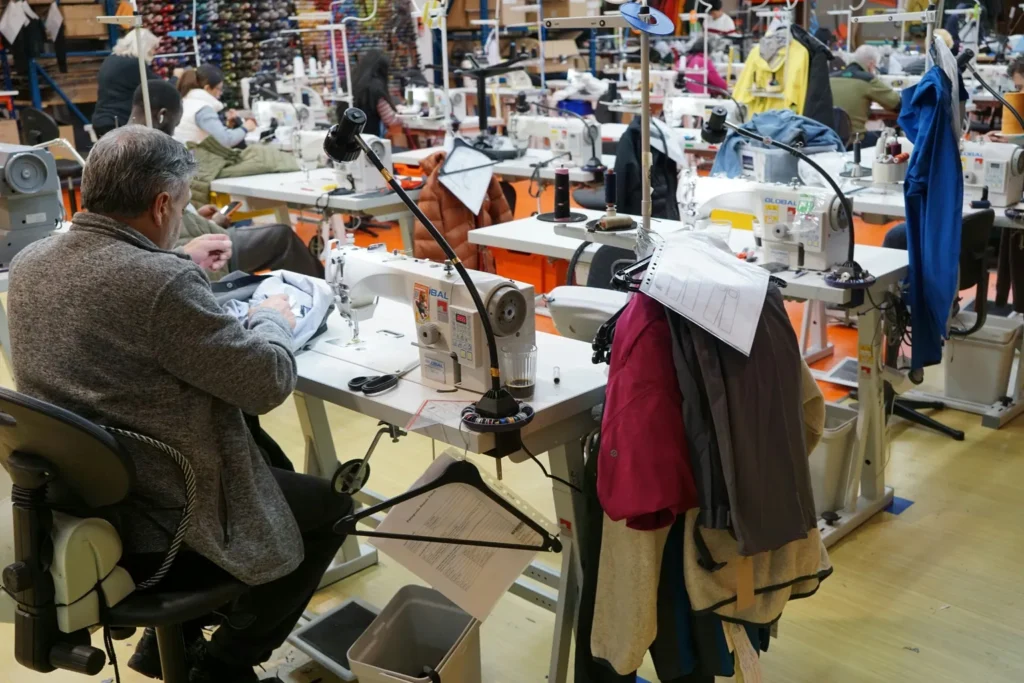
Pakistan is one of the world’s major apparel manufacturing bases for international brands, wholesalers, retailers, and private-label businesses. But the first question most buyers ask — how much does it cost to manufacture clothing in Pakistan? — is also one of the hardest to answer with a single number.
A basic 180 GSM cotton T-shirt in a stock color with a simple neck label is a fundamentally different product from a 240 GSM oversized T-shirt in custom-dyed fabric with screen printing, woven labels, and branded packaging. The same logic applies to hoodies, activewear, workwear, and nearly every other garment category.
So the real question isn’t:
“What’s the cheapest price in Pakistan?”
It’s:
“What should this exact product cost, at my quantity and quality level?”
This guide walks through what actually drives clothing manufacturing costs in Pakistan, how factories build their quotations, why prices can vary so widely between suppliers, and how to compare quotes properly before placing an order.
If you’re still choosing a supplier, start with our guide to clothing manufacturers in Pakistan. If you’re building your own brand, our private label clothing manufacturing guide covers that process in depth.
Table of Contents
Quick Answer: What Drives Clothing Manufacturing Costs in Pakistan?
Manufacturing cost depends primarily on:
- Garment type and construction
- Fabric composition, weight (GSM), and consumption
- Yarn and fabric quality, dyeing and finishing
- Order quantity and color split
- Printing, embroidery, or other decoration
- Labels, trims, and packaging
- Testing and compliance requirements
- Workmanship standard
- Delivery terms, freight, and destination
Because these variables shift from order to order, generic online price lists aren’t reliable.
A factory can’t give you a meaningful production price for a custom garment until it knows exactly what’s being made and how many pieces you need.
The most reliable approach is sending an identical specification to several suitable manufacturers and comparing their quotes on a like-for-like basis.
Why There’s No Single “Pakistan Clothing Price”
Buyers often approach multiple manufacturers with just a reference photo and come back with wildly different quotes — assuming one factory is simply cheaper.
Usually, they’re quoting different products.
Take a heavyweight hoodie as an example. One manufacturer might assume:
- 280 GSM fleece, standard cotton blend
- Stock fabric color
- Basic drawcord, printed neck label
- No embroidery, standard polybag
Another might assume:
- 320 GSM brushed fleece, higher cotton content
- Custom-dyed color
- Custom drawcord and eyelets, chest embroidery
- Woven main and size labels, branded packaging
Both quotes say “hoodie.”
Commercially, they’re not the same garment.
This is one of the most common pitfalls when comparing Pakistani clothing manufacturers:
Compare specifications first. Compare prices second.
What Determines Clothing Manufacturing Cost in Pakistan?

1. Fabric Is Usually the Biggest Cost Component
Fabric price depends on fiber composition, yarn quality, GSM, knitting or weaving construction, dyeing method, finishing, fabric width, quantity, color, wastage, and certification requirements.
Asking a factory “What’s your price for a T-shirt?” gives you almost nothing to work with.
A better brief looks like:
100% cotton, 220 GSM single jersey, oversized fit, reactive dyed, enzyme washed.
Now the manufacturer has something it can actually cost.
2. GSM Changes Both the Product and the Cost
GSM — grams per square metre — describes fabric weight, and changing it changes fabric consumption and therefore cost.
Moving from a lightweight T-shirt fabric to a heavier jersey increases raw material usage, garment weight, freight weight, and often perceived product quality.
The same applies to fleece for hoodies and sweatshirts.
A lower quote built on lighter fabric isn’t necessarily a cheaper version of the same product — it may be a different product.
Make sure every factory you compare is quoting the same GSM.
3. Fabric Consumption Varies by Construction
Two garments in identical fabric can still cost differently based on dimensions, fit, pattern shape, sleeve length, hood or pocket construction, fabric width, cutting efficiency, size ratio, shrinkage allowance, and wastage.
An oversized T-shirt generally consumes more fabric than a fitted one in the same material.
That’s why a proper tech pack with full measurements improves quotation accuracy.
4. CMT: Cutting, Making, and Trimming

CMT covers the labor and production work required to turn fabric into a finished garment.
It is driven by:
- Number of garment components
- Sewing operations
- Construction complexity
- Required workmanship
- Machinery
- Production efficiency
- Order quantity
A simple T-shirt is relatively straightforward to construct.
A technical jacket with multiple panels, pockets, zippers, and lining requires far more operations.
So two garments with similarly priced fabric can still end up with very different final manufacturing costs.
5. Printing, Embroidery, and Decoration
Decoration can have a major impact on price.
Common techniques include:
- Screen printing
- Digital printing
- Sublimation
- Heat transfer
- Embroidery
- Appliqué
- Patches
- Wash effects
- Specialty finishes
Cost is affected by the technique, artwork, number of colors, placement, size, and quantity.
A small one-color chest print and a large multi-color front-and-back print shouldn’t be expected to cost the same.
Send actual artwork or clear decoration specifications when requesting quotations.
6. Labels, Trims, and Accessories
Small components can add up.
Depending on the garment, these may include:
- Woven labels
- Printed labels
- Care labels
- Size labels
- Hangtags
- Buttons
- Zippers
- Drawcords
- Eyelets
- Elastic
- Snaps
- Barcode stickers
- Polybags
- Cartons
Custom trims can also carry their own minimum order quantities.
This matters especially for smaller private-label programs.
A factory might be willing to manufacture 300 garments, while a custom zipper, label, or packaging supplier requires a higher component minimum.
Buyers should understand these requirements before confirming the order.
How MOQ Affects Clothing Manufacturing Cost
Smaller production runs generally carry higher unit costs because setup expenses are spread across fewer garments.
These expenses can include:
- Pattern development
- Fabric setup
- Dyeing
- Sampling
- Artwork setup
- Screen preparation
- Trim development
- Production-line setup
- Quality control
- Administration
MOQ also isn’t necessarily one number.
A manufacturer may have separate minimums for:
- Garment
- Style
- Color
- Fabric
- Embroidery
- Trims
For example, 500 T-shirts in one color may be considerably easier to accommodate than 500 T-shirts divided across ten colors.
At Gallop, we work with manufacturers suited to different order sizes rather than assuming one factory or MOQ structure fits every buyer.
Does a Bigger Order Always Mean a Lower Price?
Not automatically — although higher volumes usually help.
Larger orders may allow factories to negotiate fabric more efficiently, spread development costs across more units, improve production-line efficiency, and reduce setup and packaging costs per garment.
But a technically complex 20,000-piece garment can still cost more per unit than a simple 5,000-piece garment.
Specification and quantity have to be considered together.
Sampling and Product Development Costs
Custom clothing typically goes through several sample stages before bulk production.
Development Sample
Turns the initial design or tech pack into a physical garment.
Fit Sample
Evaluates measurements, fit, and construction.
Size-Set Sample
Verifies grading across multiple sizes.
Pre-Production Sample
Creates the final approved reference before bulk manufacturing.
Factories may charge separately for sampling, especially for new buyers or complex products.
Sample prices shouldn’t be compared directly with bulk pricing. Samples are produced individually rather than through an efficient bulk production line.
Their purpose is to prevent a much more expensive problem:
manufacturing hundreds or thousands of incorrect garments.
Example: Why Two Hoodie Quotes Can Look So Different
The following is an illustrative example, not an actual Gallop order.
An international buyer sourcing 2,000 private-label hoodies sends a reference image to two factories without providing a complete specification.
Factory A assumes:
- 280 GSM fleece
- Standard cotton-polyester blend
- Stock color
- Basic rib
- Standard drawcord
- Printed neck label
- No embroidery
- Standard polybag
Factory B assumes:
- 320 GSM brushed fleece
- Higher cotton content
- Custom Pantone color
- Heavier rib
- Custom drawcord and metal eyelets
- Woven labels
- Chest embroidery
- Branded packaging
Factory A will look considerably cheaper.
But the buyer hasn’t found a cheaper source for the same hoodie.
They’ve received quotations for two different hoodies.
The solution is to normalize the specification and ask both factories to quote the identical construction.
This is one of the areas where an independent sourcing partner can add value — ensuring buyers understand what is actually being compared before choosing a supplier.
Private Label Costs More Than Blank Garments
Private-label manufacturing typically involves more development than purchasing standard blank garments.
Depending on the program, it may include:
- Custom fit
- Custom fabric
- Custom colors
- Printing or embroidery
- Woven branding
- Custom care labels
- Hangtags
- Packaging
- Barcoding
- Carton markings
Each additional requirement can affect price, MOQ, or lead time.
Define the complete product before comparing manufacturers.
For a detailed explanation of the process, see our private label clothing manufacturers in Pakistan guide.
Factory Price vs. Landed Cost
One of the biggest sourcing mistakes is comparing only the factory price.
What ultimately matters to an international buyer is landed cost — the total cost of getting the product to its destination.
Depending on the agreed Incoterm, this can include:
- Inland transportation in Pakistan
- Export documentation
- Freight
- Insurance
- Customs clearance
- Import duties
- Taxes
- Destination handling
- Local delivery
Air freight and sea freight can also produce very different landed economics.
Always confirm whether a quotation is:
- EXW
- FOB
- CIF
- Or another agreed Incoterm
before comparing it with another offer.
For more information, see our guide to importing textiles from Pakistan.
Hidden Costs Buyers Often Miss
Before confirming an order, check whether the quotation includes or excludes the following.
Sampling
Are development samples included or billed separately?
Fabric Testing
Does the buyer require testing for composition, colorfastness, shrinkage, or other performance characteristics?
Certifications
Does the program require specific factory or product certifications?
For example, OEKO-TEX STANDARD 100 covers textiles tested against the standard’s requirements for harmful substances.
Certification availability should be verified for the specific manufacturer and product requirement, rather than assumed to apply universally.
Custom Trims
Do labels, zippers, buttons, or packaging require separate development or minimum quantities?
Inspection
Who will inspect the finished goods before shipment?
Freight
What delivery point does the quoted price actually cover?
Understanding these costs before production is confirmed can prevent unexpected expenses later.
How to Compare Clothing Manufacturer Quotes Properly
Build one common specification and have every factory quote against it.
At minimum, align the quotations on:
- Garment construction
- Fabric composition and GSM
- Fabric finish, including washing, brushing, or treatments
- Quantity and color split
- Printing or embroidery specifications
- Labels and trims
- Packaging
- Quality tolerances and inspection requirements
- Delivery term — EXW, FOB, CIF, etc.
- Lead-time feasibility
Only once these are aligned does the unit price actually mean something.
How to Reduce Manufacturing Cost Without Cutting Quality
Consolidate Colors
Too many colors at low quantities can create inefficient dyeing runs and additional minimum-order requirements.
Standardize Trims
Using the same label, zipper, drawcord, or packaging across multiple styles can improve purchasing efficiency.
Plan Quantities Earlier
Better forecasting can allow more efficient fabric and trim purchasing.
Design for Manufacturing
Small construction changes can sometimes reduce sewing operations without materially changing the finished product.
Match the Factory to the Order
A large factory isn’t automatically the most economical choice for a smaller program, and a smaller factory may not be appropriate for a large repeat order.
Factory fit matters.
Get the Specification Right Before Sampling
Repeated sample revisions consume time and money.
A strong tech pack can reduce unnecessary development cycles.
What to Send for an Accurate Clothing Manufacturing Quote
The more complete your RFQ, the more useful the quotation will be.
Ideally, provide:
- Product type
- Tech pack or reference images
- Total quantity
- Quantity per color
- Size breakdown
- Fabric composition
- GSM
- Fabric construction
- Color references or Pantone codes
- Measurements
- Printing or embroidery artwork
- Labels
- Trims
- Packaging requirements
- Testing or compliance requirements
- Destination country
- Required delivery date
- Preferred Incoterm, if known
If some details aren’t finalized yet, say so.
A sourcing partner or manufacturer can then identify which decisions still need to be made before accurate costing is possible.
Should You Choose the Cheapest Clothing Manufacturer?
Not necessarily.
The lowest quotation can become the most expensive one if it leads to:
- Inconsistent fabric
- Incorrect measurements
- Poor workmanship
- Missed delivery dates
- Packaging errors
- Rejected goods
- Expensive rework
- Emergency air freight caused by production delays
A better sourcing decision considers total commercial risk, not just the initial unit price.
For international buyers, the objective should be to find a manufacturer capable of producing the required garment consistently at a commercially workable cost.
Why Manufacture Clothing in Pakistan?
Pakistan has an established textile and apparel ecosystem spanning yarn, fabric, dyeing, finishing, garment production, and home textiles.
Manufacturing regions including Sialkot, Lahore, and Faisalabad support different product categories and capabilities.
But not every factory is right for every buyer.
The sourcing challenge is matching manufacturing capability to the buyer’s:
- Product
- Quantity
- Quality level
- Customization
- Compliance requirements
- Commercial expectations
- Delivery requirements
Learn more about the country’s textile sourcing capabilities on our Why Pakistan page.
How Gallop Helps Buyers Compare Clothing Manufacturing Costs
Gallop Sourcing works on the ground in Pakistan as a sourcing partner for international buyers.
Rather than routing every inquiry to one factory, we evaluate the buyer’s requirement and identify manufacturers suited to the specific product and program.
Our sourcing process can include:
- Reviewing your RFQ and product specifications
- Identifying suitable manufacturers
- Communicating requirements consistently
- Coordinating quotations
- Comparing sourcing options
- Managing sampling and approvals
- Following production
- Monitoring quality requirements
- Coordinating pre-shipment inspection
- Supporting export documentation and shipment
Gallop’s role isn’t simply to find the lowest quotation.
It’s to help you determine whether you’re comparing the same product, whether the manufacturer is suited to the order, and whether what ultimately ships matches what you approved.
That distinction matters.
A low quotation from the wrong factory is not necessarily a sourcing saving. The objective is to build a commercially workable product with a manufacturer capable of delivering the required specification, quality, quantity, and timeline.
Learn more about how Gallop’s sourcing process works and our approach to quality control.
Get a Clothing Manufacturing Quote From Pakistan
If you’re planning a clothing order and want a realistic understanding of what it could cost to manufacture in Pakistan, send Gallop your requirement.
For the most useful initial review, include:
- Tech pack or product reference
- Expected quantity
- Fabric composition and GSM, if known
- Colors
- Printing or embroidery requirements
- Labels and packaging
- Destination
- Required delivery date
Gallop can review the requirement, identify suitable manufacturing options, and help you move toward comparable sourcing quotations.
Send Your Clothing RFQ to Gallop
Frequently Asked Questions
Is clothing cheap to manufacture in Pakistan?
Pakistan can offer competitive apparel manufacturing where its textile supply chain and manufacturing capabilities align with the product. However, final cost depends on fabric, construction, quantity, branding, quality requirements, and delivery terms.
Buyers should compare equivalent specifications rather than assuming uniform pricing across factories.
How much does it cost to manufacture a T-shirt in Pakistan?
There is no universal T-shirt manufacturing price. Cost depends on fabric composition, GSM, garment dimensions, quantity, dyeing, printing, labels, packaging, and quality requirements.
A detailed tech pack or specification is needed for meaningful costing.
How much does it cost to manufacture a hoodie in Pakistan?
Hoodie manufacturing costs vary significantly based on fleece composition and GSM, brushing, rib quality, hood construction, pockets, drawcords, zippers, printing or embroidery, labels, packaging, and quantity.
Does a higher MOQ reduce clothing manufacturing cost?
Often, but not always.
Larger orders can spread development and setup costs across more units and improve fabric, trim, and production efficiency. Garment complexity and material specifications remain major cost drivers.
What’s included in a clothing manufacturer’s price?
It depends on the quotation.
Confirm whether the price includes fabric, CMT, decoration, trims, labels, packaging, testing, inspection, inland transportation, and export-related costs.
The applicable Incoterm should also be clearly stated.
Can I manufacture private-label clothing in Pakistan?
Yes. Pakistani manufacturers produce private-label T-shirts, hoodies, sportswear, activewear, denim, and other apparel categories.
Customization options, MOQ, production capabilities, and compliance availability vary by manufacturer.
How can I get an accurate clothing manufacturing quote from Pakistan?
Send a detailed RFQ containing your tech pack or product reference, quantity, fabric, GSM, colors, artwork, trims, labels, packaging, destination, and required delivery date.
Gallop can then help identify suitable manufacturers and coordinate comparable sourcing quotations.